If you love the idea of more space, quieter streets, and easy access to trails, Lafayette may sound like a dream. But a semi-rural lifestyle is not the right match for everyone, especially if you want a denser, more transit-first daily routine. This guide will help you understand what semi-rural really means in Lafayette, what daily life can look like, and how to decide if it fits the way you want to live. Let’s dive in.
What semi-rural means in Lafayette
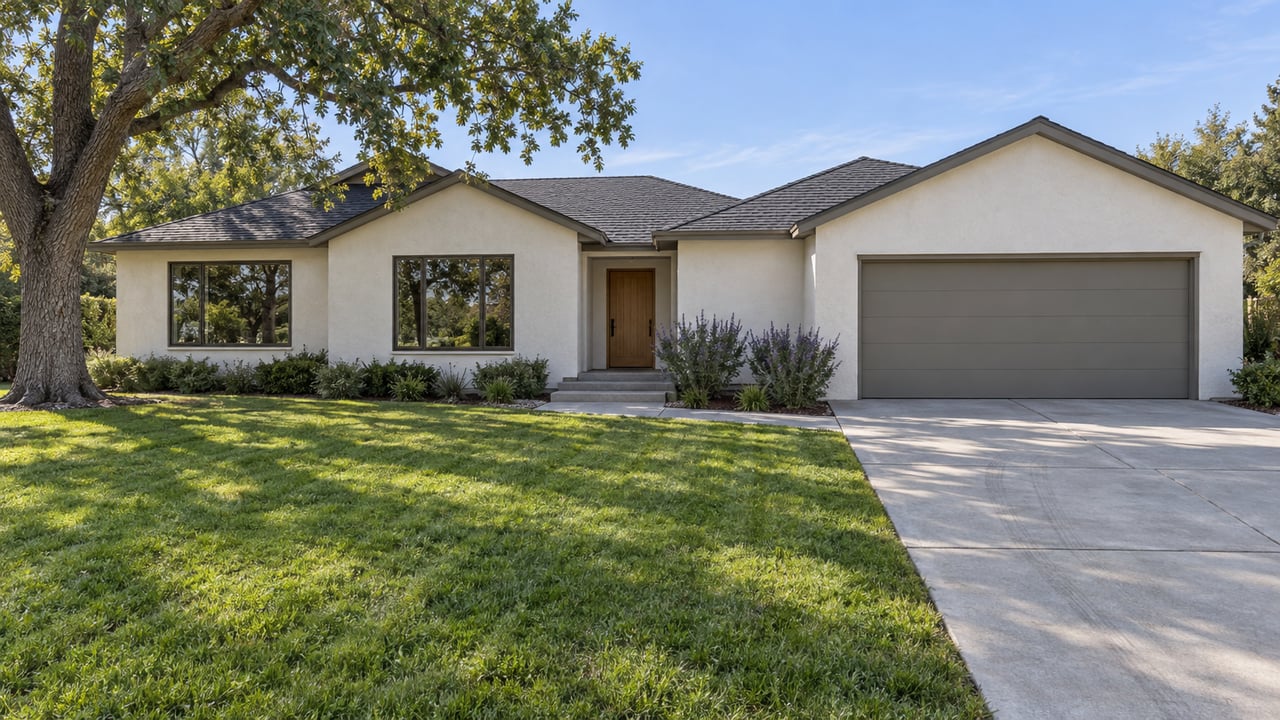
In Lafayette, “semi-rural” does not mean isolated or truly rural. It means the city has intentionally planned for a more spacious residential feel while still supporting an active downtown. According to Lafayette’s Planning & Building Department, the city prioritizes neighborhood preservation, downtown revitalization, and its semi-rural residential character.
That character is reinforced through local planning tools like hillside regulations, tree-protection rules, parking and circulation standards, and sign regulations. The city also notes that clustering homes can help preserve more open space. In other words, Lafayette’s feel is shaped by land-use decisions, surrounding hills, and protected views rather than by a remote setting.
Housing patterns also play a big role. The city’s housing efforts page says the 2010 Census found that 82% of Lafayette’s housing stock was single-family homes, with more than 1,700 multifamily homes located in and around downtown. That mix helps explain why many parts of Lafayette feel residential and spread out, while the downtown area feels more concentrated.
Current census data adds more context. Lafayette has a population density of 1,690 people per square mile, compared with 7,878.4 in Oakland and 11,917.3 in Berkeley. If you have spent time in those cities, Lafayette will likely feel noticeably less dense day to day.
Open space shapes daily life
One of the clearest reasons Lafayette feels semi-rural is its connection to open space. The city’s open-space plan focuses on natural resources, passive recreation, view corridors, and scenic vistas. That means preserving the landscape is part of the city’s long-term identity, not just a nice extra.
Lafayette is also surrounded by hills and open land, and the city manages about 16 miles of city trails in addition to regional trails and the Lafayette Reservoir trail system. For many residents, access to trails and hillside scenery is part of normal weekly life, not just something saved for occasional weekends.
If being close to open space matters to you, this can be a major lifestyle advantage. If you prefer a more built-up environment with activity on every block, the same feature may feel too quiet. That is why fit matters more here than hype.
Downtown convenience is still part of the picture
A semi-rural feel does not mean giving up convenience. Lafayette’s downtown includes shopping, dining, housing, transit resources, business activity, and parking resources. Recent city updates also describe downtown as vibrant, engaging, and full of events.
In April 2026, the city highlighted new downtown housing projects within walking distance of shops, restaurants, and the Lafayette BART station. It also noted new commercial tenants adding to the retail and dining mix. So while Lafayette may feel calmer than denser East Bay communities, it still offers a practical town center for everyday needs.
The key difference is rhythm. Downtown Lafayette works more like a small-town core than a fully urban grid where nearly everything is within a few blocks. You can run errands, meet friends for dinner, and attend events, but the experience is typically more deliberate and less fast-paced.
Parking and walkability have a different rhythm
If you are used to a city where you walk everywhere, Lafayette may feel different. The 2026 Downtown Parking Management Study found that downtown has adequate overall parking supply. The main challenges were distribution, management, and wayfinding rather than a simple lack of parking.
The study also supports a “park once” downtown experience. That means the city is working toward a setup where you can park, then walk to a few nearby stops without moving your car again. For many people, that is convenient enough for dining, errands, and events, even if it does not feel like a dense urban neighborhood.
This distinction matters when you picture your daily routine. If you want convenience without constant city intensity, Lafayette may strike a strong balance. If you want a true walk-everywhere environment, you may find it less aligned with your habits.
Commuting in Lafayette
Lafayette can work well for buyers who want access to transit but do not expect a fully transit-first lifestyle. The Lafayette BART Station sits in the East Bay hills, and BART describes it as having a quiet rural atmosphere and a distinctive downtown. The station is on the Antioch to SFIA/Millbrae line and connects the East Bay with downtown offices and other regional destinations.
Parking is part of the commute picture here. BART says the station offers daily, reserved, and monthly parking, with capacity available at all times. That can be a plus if you want train access without relying on a dense urban station experience.
Timing matters too. BART runs during limited overnight hours, with weekday service from 5:00 a.m. to midnight and shorter service on weekends. If your schedule is highly flexible or hybrid, Lafayette may feel workable. If you need a very late-night transit routine, you may need to think more carefully about how that fits your lifestyle.
The broader mobility picture
Lafayette’s commute story is not purely car-based, but it is not purely transit-based either. Census QuickFacts report a mean travel time to work of 29.3 minutes, compared with 28.7 minutes statewide in California. That suggests Lafayette is fairly in line with broader commute expectations, but your actual experience will depend on where you work and how often you go in.
The city is also investing in the Aqueduct Pathway, a fully separated route meant to connect neighborhoods, downtown destinations, and regional transit, including BART. That investment points to a practical approach to mobility, where walking, biking, driving, and transit can all play a role.
For many buyers, this kind of setup works best with a hybrid mindset. You may drive for some trips, use BART for others, and still enjoy access to trails and downtown in between. That blend is part of the lifestyle appeal.
Who Lafayette tends to fit best
Lafayette is often a strong fit if you want a home base that feels spacious, residential, and a little more removed from the density of other East Bay cities. It can also appeal to buyers who value trail access, hillside surroundings, and a downtown that feels useful without feeling hectic.
You may find Lafayette especially appealing if you want:
- More breathing room in your daily environment
- A housing pattern that leans heavily toward single-family homes
- Regular access to trails, hills, and open space
- A downtown that supports errands, dining, and events
- BART access without living in a denser, transit-first setting
- Quiet streets and a more private neighborhood feel
This kind of environment often attracts people who want balance. You can still connect to larger job centers and East Bay destinations, but your home life may feel calmer and less compressed.
Who may want a different lifestyle
Lafayette may be less appealing if your ideal day depends on density, constant street activity, or a fully urban routine. Buyers who prefer the feel of Oakland or Berkeley may notice the difference right away, especially since those cities are several times denser by census counts.
You may want to think twice if you strongly prefer:
- A walk-everywhere daily lifestyle
- A denser housing mix across most neighborhoods
- Late-night transit flexibility
- Short, simple door-to-door trips without much planning
- Urban energy and activity as part of everyday life
There is no right or wrong answer here. The best location is the one that fits your habits, priorities, and pace.
Questions to ask yourself before buying in Lafayette
If you are considering Lafayette, a quick self-check can help you move from general interest to real clarity. Try asking yourself these questions:
- Do you want a more spacious residential setting, or do you prefer a denser environment?
- Would you use trails, open space, and hillside surroundings regularly?
- Are you comfortable with a lifestyle where driving is still common?
- Is BART access enough, or do you want a more transit-first setup?
- Do you want a downtown that is convenient, even if it is not fully walk-everywhere?
- Are quiet streets and privacy more important to you than urban buzz?
Your answers can tell you a lot. Lafayette tends to shine for people who value access and space at the same time.
Why lifestyle fit matters in your home search
Buying a home is not just about square footage, finishes, or price point. It is also about whether the place supports the way you actually live. In a city like Lafayette, that question matters even more because the semi-rural appeal is very specific.
For the right buyer, Lafayette offers a compelling mix of open space, a useful downtown, and regional access through BART. For someone else, the same qualities may feel too quiet or too spread out. The goal is not to force a match. The goal is to find the environment that feels natural for your routine.
If you are weighing Lafayette against other East Bay options, it helps to compare more than homes. Compare your likely commute, your weekend habits, how much you value space, and how often you want nearby activity. That is usually where the right answer becomes clear.
If you want help comparing Lafayette with other East Bay communities or finding the right home for your lifestyle, Linda Ngo can help you evaluate your options with a clear, local perspective.
FAQs
What does semi-rural mean in Lafayette, California?
- In Lafayette, semi-rural refers to a lower-density residential feel shaped by local planning, hillside context, open space, and a strong single-family housing pattern rather than a truly rural setting.
Is downtown Lafayette convenient for daily errands and dining?
- Yes. Downtown Lafayette includes shops, restaurants, housing, transit access, and community events, but it functions more like a small-town core than a dense urban grid.
Is Lafayette, California a good fit for BART commuters?
- Lafayette can work well for commuters who want BART access and are comfortable with a mixed mobility routine that may include driving, station parking, and planned travel times.
How does Lafayette compare with Oakland or Berkeley in density?
- Census data shows Lafayette is much less dense, with 1,690 people per square mile compared with 7,878.4 in Oakland and 11,917.3 in Berkeley.
What kind of homebuyer is Lafayette best for?
- Lafayette often fits buyers who want more space, quieter residential surroundings, trail access, and a convenient downtown without the density of a more urban East Bay city.