Thinking about leaving San Francisco for Mill Valley? You are not alone, and the move can feel both exciting and complicated. You may be picturing more space, easier access to the outdoors, and a different daily rhythm, while also wondering what happens to your housing budget, commute, and moving timeline. This guide walks you through what to expect so you can plan your next step with more confidence. Let’s dive in.
Mill Valley Feels Very Different
If you are moving from San Francisco to Mill Valley, the biggest change is not just the address. It is the overall scale and pace of daily life. Mill Valley has about 14,012 residents across 4.8 square miles, while San Francisco has about 827,526 residents across 46.7 square miles.
That difference shows up in how each place is built. Census data shows Mill Valley is made up mostly of single-unit housing, while San Francisco is dominated by multi-unit housing. Mill Valley is also more owner-occupied, while San Francisco has a much larger renter share.
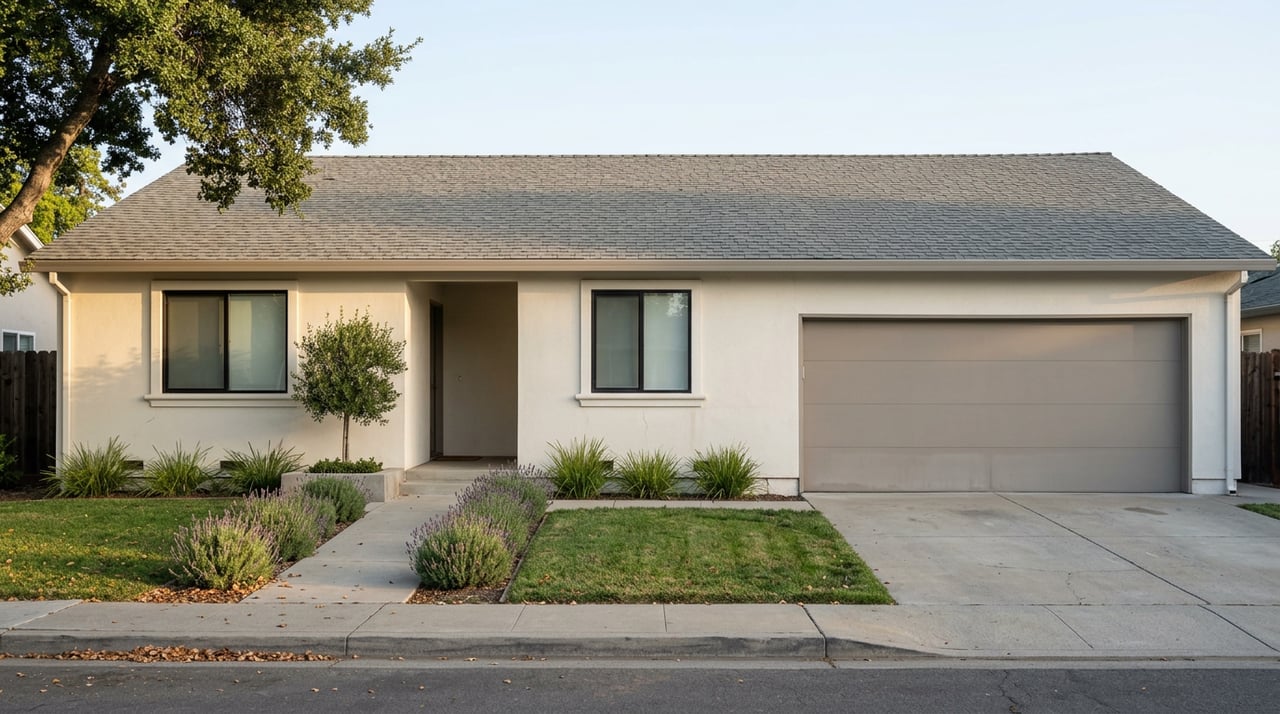
In practical terms, you should expect a more residential housing pattern, less density, and fewer large condo-style buildings. If you are used to apartment living, shared building amenities, or compact city blocks, Mill Valley may feel more spread out and home-centered.
Housing Costs in Mill Valley
One surprise for some buyers is that moving north does not always mean spending less. Redfin reported a median sale price of about $2.5 million in Mill Valley in May 2026. In San Francisco, that figure was about $1.7 million.
That means Mill Valley can be more expensive on a citywide basis, even though it offers a very different housing experience. If your goal is more space, you may be shopping in a market where detached homes are common but prices remain high. It is important to compare both home type and budget at the same time.
What Your Home Search May Look Like
Because Mill Valley has a much larger share of single-unit homes, your search will likely lean toward:
- Detached houses
- Small-lot homes
- Hillside properties
- Homes with driveways or garages
- Properties with more owner maintenance
That is a different experience from shopping in San Francisco, where many buyers focus on condos, TICs, or multi-unit buildings. In Mill Valley, you may need to think more about lot layout, access, storage, and maintenance from the start.
ADU Rules Can Add Flexibility
If long-term flexibility matters to you, Mill Valley’s ADU rules are worth reviewing early. The city allows one ADU or JADU per single-family property, and in some cases one ADU plus one JADU may be allowed.
For buyers, that can matter in several ways. It may shape how you think about future guest space, work space, or multigenerational living. Even if you do not plan to build right away, it is a useful factor to keep in mind when comparing properties.
San Rafael as a Marin Alternative
If Mill Valley feels like the right lifestyle but the price point feels too high, San Rafael may be worth a closer look. Redfin reported a median sale price of about $1.3 million there in May 2026, which is well below Mill Valley’s citywide median.
San Rafael can give you a useful comparison point as you explore Marin. The city notes that detached single-family homes are its predominant housing type, so it may still appeal to buyers who want a less urban housing mix. If your budget is a major decision driver, comparing Mill Valley and San Rafael side by side can help you move forward with more clarity.
Commute Changes to Expect
Many buyers assume moving to Mill Valley will automatically mean an easier commute. The reality is more nuanced. Census data shows average commute times are shorter in Mill Valley than in San Francisco overall, at 24.8 minutes versus 32.2 minutes, but your actual experience depends heavily on where you work and how you travel.
If you still commute into San Francisco, bridge traffic, departure time, and route choice will matter a lot. A Mill Valley address can offer a different lifestyle, but it does not remove the need to plan your transportation carefully.
Driving Into San Francisco
If you drive south into San Francisco, you will cross the Golden Gate Bridge and pay the southbound toll. As of July 1, 2026, the toll for a 2-axle vehicle using FasTrak is $10.25.
That means commuting costs can add up quickly. Before you move, it helps to estimate not just gas and tolls, but also parking and the value of your time.
Transit Options From Mill Valley
Mill Valley buyers should also look at transit patterns before deciding on a home. Golden Gate Transit Route 114 runs between Mill Valley and San Francisco’s Financial District. Nearby, Golden Gate Ferry service from Larkspur offers another option, depending on your schedule and connection needs.
Service levels vary by time of day, day of week, and season. If your work schedule is fixed, it is smart to compare likely door-to-door timing before committing to a specific commute plan.
Lifestyle Shifts Beyond Housing
The move from San Francisco to Mill Valley is also a lifestyle shift. Census figures show Mill Valley has an older median age, a larger average household size, and a higher median household income than San Francisco. Those numbers point to a different day-to-day rhythm and a more owner-occupied environment.
You may notice the change right away. Streets can feel quieter, homes may have more outdoor space, and your routine may become more centered around the home itself rather than around dense urban convenience.
More Space and Lower Density
For many movers, one of the biggest advantages is simply having more breathing room. Mill Valley is much smaller in population and built form than San Francisco. That can translate to less crowding and a more residential feel in everyday life.
If you are leaving a compact city apartment or condo, even small differences can feel meaningful. A driveway, garage, yard, or extra room can change how you use your home from day to day.
Parks and Open Space Stand Out
Mill Valley also offers strong access to outdoor space. The city highlights its parks and nine-hole golf course, while Marin County manages 39 parks and 34 open space preserves. Mount Tamalpais State Park is also nearby, with trail and vista access that many San Francisco movers notice right away.
If outdoor access is part of why you are moving, this is one of the clearest benefits. It can reshape how you spend weekends, exercise, and even your regular weekday routine.
How to Plan the Move Financially
For many buyers, the hardest part of moving from San Francisco to Mill Valley is timing the sale and purchase. If you already own in San Francisco, you may be deciding whether to sell first, buy first, or use temporary financing.
Each path has tradeoffs. The right one depends on your cash position, risk tolerance, and how much overlap you can handle between homes.
Selling First
Selling your San Francisco home first can give you more certainty. You will have a clearer picture of your available proceeds, and you may reduce the risk of carrying two homes at once.
It can also strengthen your planning around budget. If you expect to use sale proceeds for your Mill Valley purchase, lenders may ask for documentation showing the San Francisco sale will produce enough funds, such as a settlement statement or similar proof.
Buying First
Buying before your San Francisco sale closes can help if you want to avoid moving twice or if you need to secure the next home quickly. The challenge is that it may increase financial pressure, especially if both transactions overlap.
This option usually works best when you already have enough liquidity or a clear financing strategy. Without that, carrying two homes at the same time can create stress and added cost.
Using a Bridge Loan
If timing does not line up cleanly, a bridge loan may help. The California Department of Real Estate describes bridge or swing loans as temporary loans secured against equity in your current home or against both the current and contemplated homes.
In simple terms, that can give you access to funds to buy before your San Francisco sale is fully complete. It can reduce timing pressure, but it also adds complexity, so you will want to understand the costs and qualification requirements early.
Budget for More Than the Purchase Price
When planning your move, do not stop at the down payment and mortgage. Buyers often underestimate how much the transition itself can cost.
Your budget may also need to cover:
- Closing costs
- Moving expenses
- Repairs or improvements
- New furniture
- Ongoing home maintenance
- Commute costs like tolls and parking
That matters even more if you are moving from a San Francisco condo or apartment into a detached home. A larger property often comes with more systems, more upkeep, and more out-of-pocket responsibility over time.
What This Move Really Means
Moving from San Francisco to Mill Valley is usually about more than a change in zip code. It often means trading density for space, condo-heavy housing for detached homes, and a renter-heavy environment for a more owner-occupied one.
At the same time, it can mean a higher median price, a different commute pattern, and more planning around timing and budget. If Mill Valley fits your goals, the move can be a strong lifestyle upgrade. If the numbers feel tight, nearby San Rafael may be a smart Marin alternative to explore.
A well-planned move starts with clear expectations. If you want help weighing your San Francisco sale, your Mill Valley purchase strategy, or flexible options for timing, Linda Ngo can help you build a plan that fits your goals.
FAQs
What is the biggest difference between San Francisco and Mill Valley housing?
- Mill Valley has far more single-unit, owner-occupied housing, while San Francisco has much more multi-unit, renter-occupied housing.
Is Mill Valley more expensive than San Francisco?
- Based on May 2026 Redfin data, Mill Valley had a higher median sale price at about $2.5 million compared with about $1.7 million in San Francisco.
What commute options are available from Mill Valley to San Francisco?
- Common options include driving across the Golden Gate Bridge, taking Golden Gate Transit Route 114 to the Financial District, or using the nearby Larkspur ferry connection.
How much is the Golden Gate Bridge toll for a Mill Valley commute?
- As of July 1, 2026, the southbound 2-axle FasTrak toll is $10.25.
Is San Rafael a more affordable alternative to Mill Valley in Marin?
- It can be, based on citywide median sale prices, with Redfin reporting about $1.3 million in San Rafael versus about $2.5 million in Mill Valley in May 2026.
Should you sell your San Francisco home before buying in Mill Valley?
- Selling first can provide more certainty around proceeds and budgeting, but the best timing depends on your finances, risk tolerance, and whether you need temporary financing like a bridge loan.