If you picture Marin living as a choice between nature and convenience, Mill Valley makes a strong case that you can have both. You may be looking for a town where trails are part of daily life, downtown still feels active and personal, and getting to San Francisco or the East Bay is realistic without living in the middle of a city. This guide walks you through what everyday life in Mill Valley actually looks like, from outdoor routines and town-center habits to commuting options and housing patterns. Let’s dive in.
Mill Valley Lifestyle at a Glance
Mill Valley sits below Mount Tamalpais and is closely tied to the public lands around it. That setting shapes daily life in a real way, not just on weekends or holidays. Hiking, running, and biking are part of the local rhythm, and the landscape is one of the first things many people notice.
Muir Woods National Monument is located on Mount Tamalpais and is known for its old-growth redwood forest. Mount Tamalpais State Park rises to 2,571 feet and offers about 200 miles of trails with wide views toward San Francisco and the East Bay. For you as a buyer or future resident, that means outdoor access is not a bonus feature here. It is part of the town’s identity.
Trails Shape the Daily Routine
One of Mill Valley’s biggest draws is how easily recreation fits into an ordinary day. You are not limited to a single large park outside town. Instead, outdoor spaces are woven into the community through local parks, trail connections, and pedestrian routes.
The City of Mill Valley lists several parks that support that lifestyle. Bayfront Park includes a hiking and running trail, Blithedale Park offers a hiking trail and creek access, Old Mill Park has picnic areas and an amphitheater, and Downtown Plaza includes benches, bathrooms, a café, and picnic tables. The city also maintains a network of Steps, Lanes and Paths that adds to the town’s local walkability.
That network matters because it changes how the town feels from day to day. A quick walk, a run before work, or a casual stop at a small park can become part of your normal routine. In Mill Valley, the outdoor setting is not separated from residential life. It is built into it.
The Dipsea Trail Adds Local Character
If you know the Bay Area but are less familiar with Marin, the Dipsea Trail helps explain Mill Valley’s terrain and personality. The annual Dipsea Race starts in downtown Mill Valley, includes more than 600 steps, and climbs into Mount Tamalpais State Park.
That detail says a lot about the area. Mill Valley is scenic, but it is also hilly, active, and shaped by elevation. The same trail system can connect hikers on foot toward Muir Woods, which reinforces how closely town life and open space are linked.
Downtown Feels Small but Active
Mill Valley’s downtown is compact rather than dense. The commercial core centers around Lytton Square and the streets around Throckmorton, Miller, and Sunnyside. Instead of a large urban shopping district, you get a smaller town center with a strong social feel.
Local descriptions highlight coffee shops, boutiques, chess in the square, and Sweetwater Music Hall as part of the downtown atmosphere. The City’s Downtown Plaza also functions as a civic gathering space with seating, a café, and picnic tables. For many residents, that makes errands and casual meetups feel easy and close to home.
This is an important distinction if you are comparing Mill Valley to San Francisco neighborhoods or larger East Bay downtowns. Mill Valley offers a real town center, but the scale is intimate. You can think of it as a place where coffee, a quick errand, a park visit, and a trail walk can all fit into the same afternoon.
Walkability Has a Local Flavor
Walkability in Mill Valley looks different from flat-grid city walkability. It is more about local connections, neighborhood paths, and access to daily destinations in and around the town center. The Steps, Lanes and Paths network is a good example of how residents move through the community in practical ways.
Because of the terrain, your experience will depend on where you live. Some areas may feel especially convenient to downtown or local parks, while others may involve steeper roads and more driving for certain errands. Even so, the town’s layout supports a lifestyle where being outside and moving through the community on foot can feel natural.
Commuting From Mill Valley
For many buyers, the big question is whether Mill Valley can work for a regular commute. The short answer is yes, especially if your work takes you into San Francisco. The longer answer is that Mill Valley gives you a few different options, and your best fit depends on where you need to go and how often you commute.
San Francisco Commute Options
Golden Gate Transit Route 114 provides weekday commute service between Mill Valley and the San Francisco Financial District. The route runs Monday through Friday with four southbound morning trips and four northbound afternoon and evening trips.
For you, that means there is a direct bus option aimed at the workday commute rather than all-day frequent service. If your schedule lines up with those trips, it can be a practical way to reach downtown San Francisco. Recent service updates still list Route 114, with only minor schedule adjustments.
East Bay Connections Usually Need a Transfer
If you commute toward the East Bay, the setup is a little more layered. Marin Transit Route 17 connects San Rafael, Strawberry, Mill Valley, Marin City, and Sausalito, with Mill Valley stops including Mill Valley Depot, Sunnyside Ave and Miller Ave, and East Blithedale Ave and Kipling Dr.
Route 17 matters because it connects to San Rafael Transit Center. From there, Golden Gate Transit Route 580 serves El Cerrito del Norte BART, offering a path into the East Bay. In practical terms, East Bay commuting from Mill Valley often involves a transfer through San Rafael rather than a one-seat ride.
Ferry Access Is Nearby, Not In Town
Mill Valley is not a ferry terminal location, but it sits close to Marin ferry options. Golden Gate Ferry operates daily service between San Francisco and Marin terminals in Sausalito and Larkspur, with schedules that vary by time of day, day of week, and season.
That gives you another regional transportation option to consider. If you like the idea of combining driving or local transit with a ferry ride, nearby terminals can be part of your commute strategy. It is one more reason Mill Valley appeals to buyers who want a quieter setting without giving up regional access.
Homes in Mill Valley
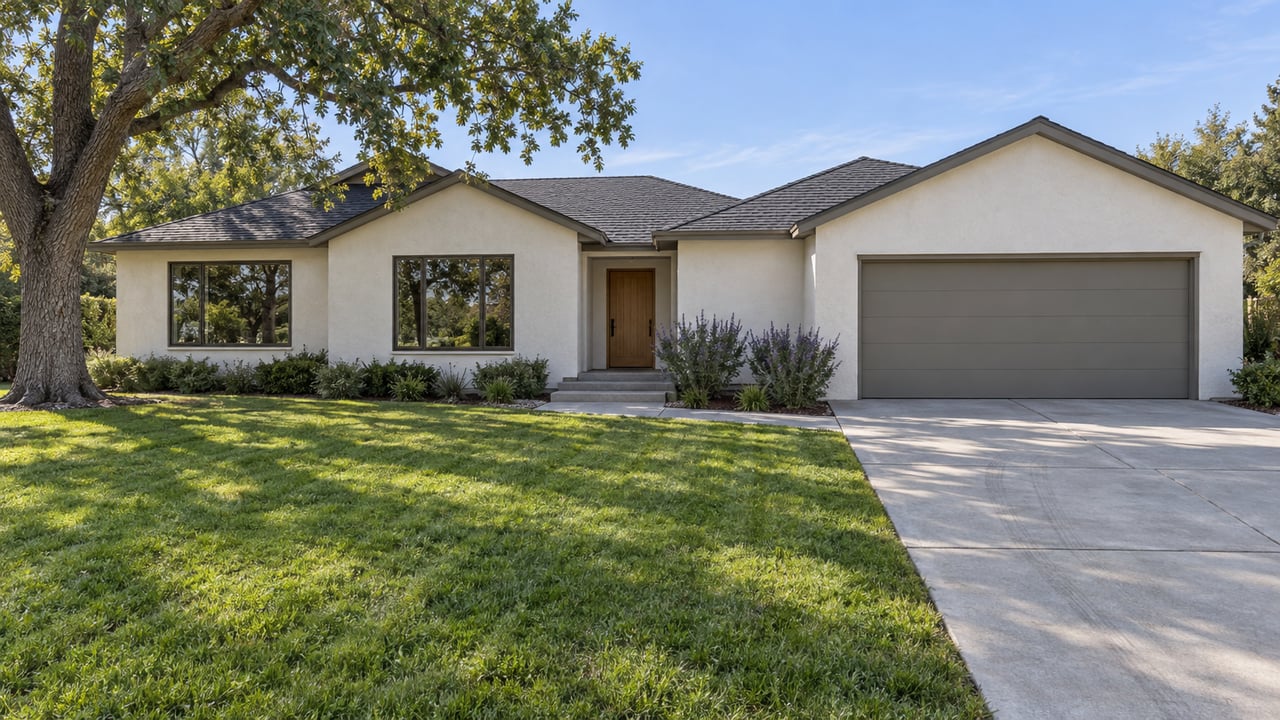
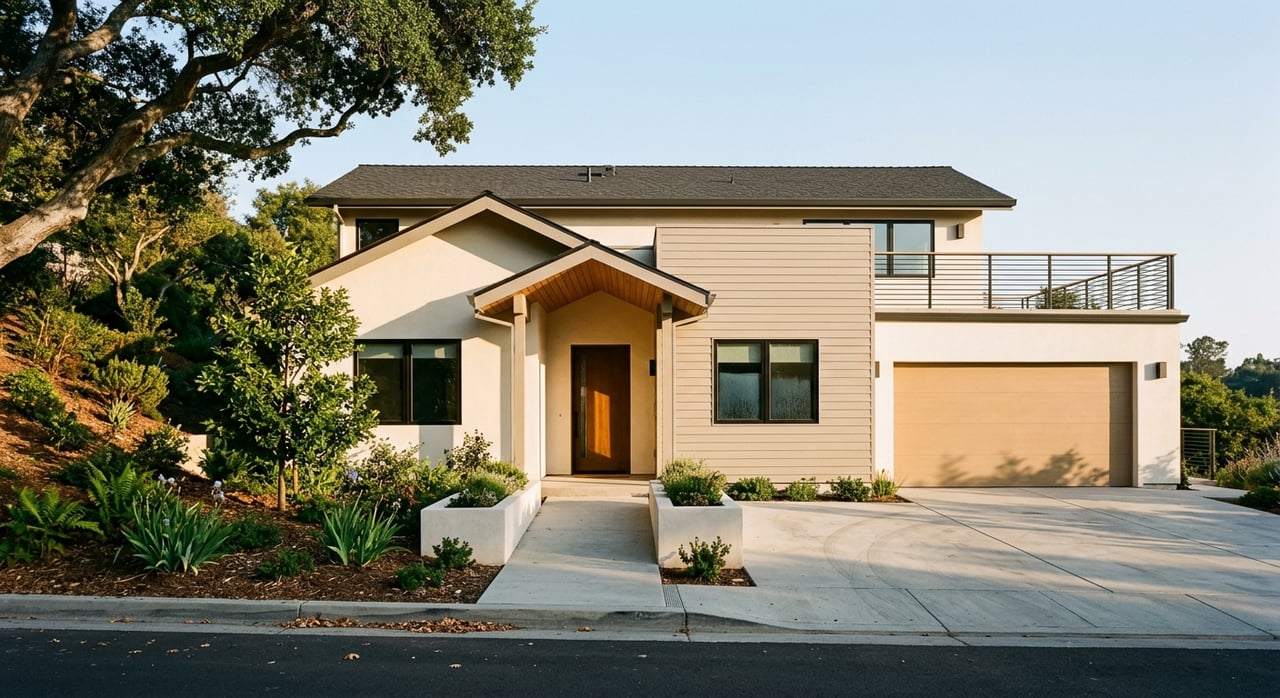
Mill Valley’s housing stock reflects a long development history, and that creates more visual variety than you might expect. According to the city’s historic survey, most surveyed buildings date from 1890 to 1920, and residential properties are primarily single-family homes. Some duplexes and converted multi-unit residences are also present.
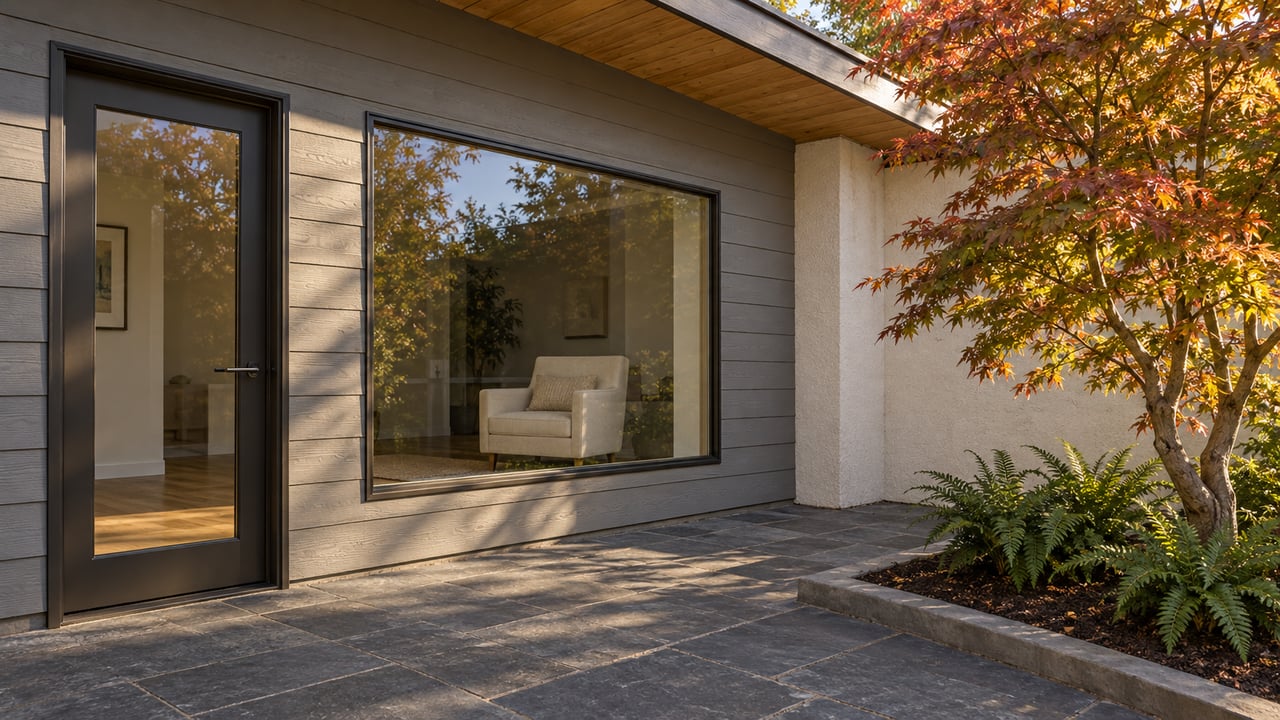
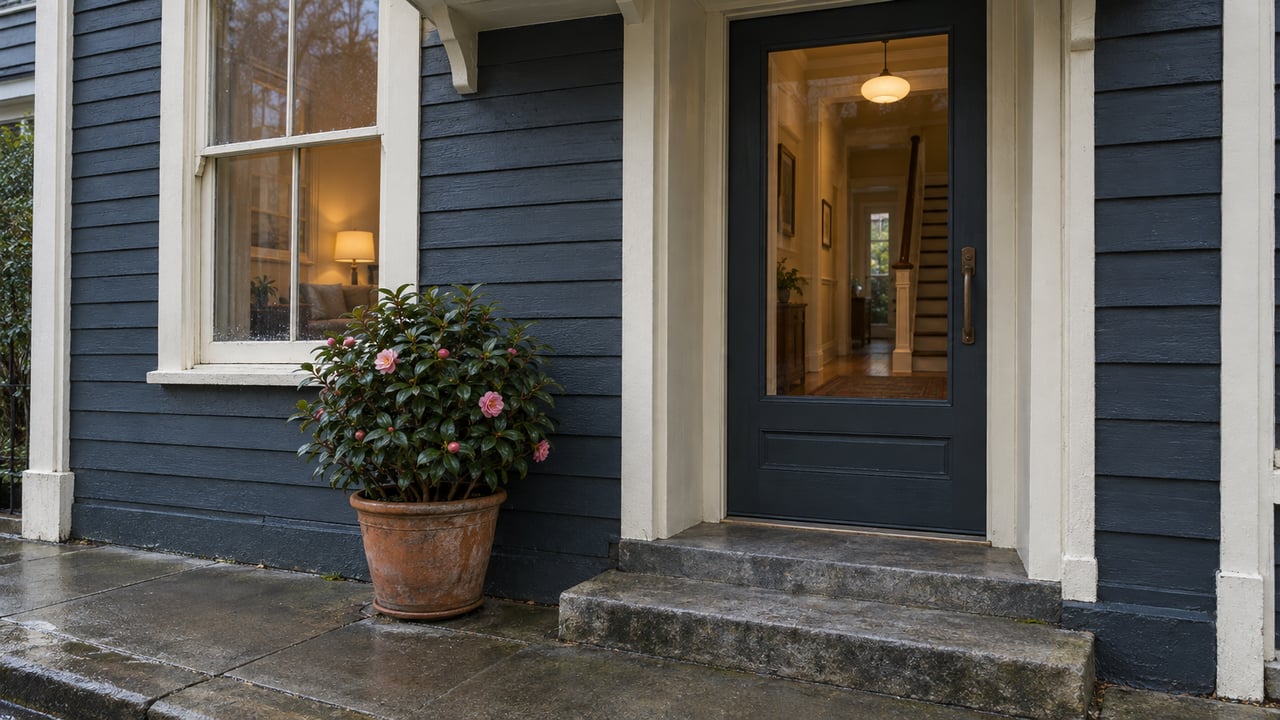
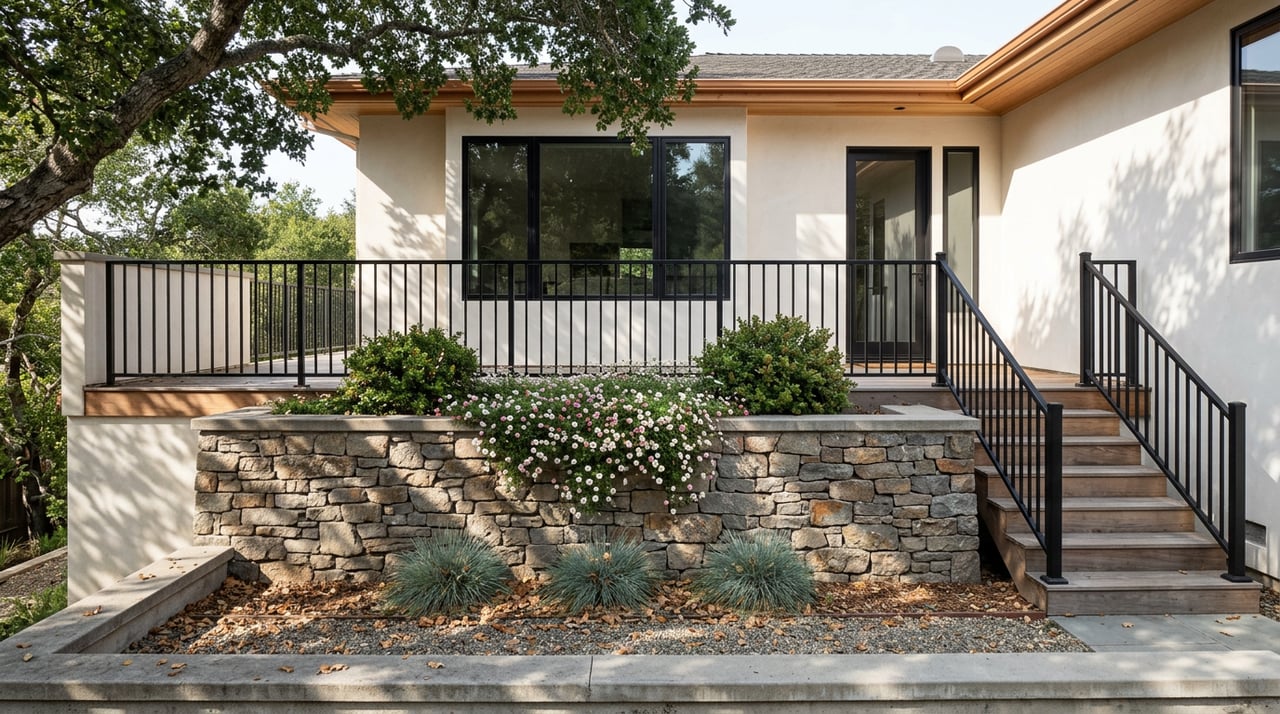
Architectural styles include Vernacular, Queen Anne, Italianate, Tudor, Craftsman, Colonial Revival, Spanish Colonial Revival, Art Deco, and several Bay Tradition styles. The survey also notes postwar examples of Midcentury Modern and later Bay Tradition architecture. For you as a buyer, that often translates into a mix of older cottages and bungalows, Craftsman-era homes, Tudor and Bay Tradition houses, and a smaller number of postwar modern homes.
This variety is part of the appeal. Mill Valley does not feel uniform, and different parts of town can offer very different home styles and lot settings. If you value character, hillside settings, and a layered streetscape, that may stand out right away.
Mill Valley Home Prices
Mill Valley is widely seen as an upscale alternative to urban living, and the current numbers support that view. Recent market data shows a median sale price of $2,548,475, with homes selling in about 10 days and a sale-to-list ratio of 109.6%. The market is also described as highly competitive, with many homes receiving multiple offers.
At the same time, Mill Valley is not one single price point. Neighborhood snapshots show a broad spread, from around $1.18 million in Shelter Ridge to about $2.2 million in Mill Valley Heights, $2.8 million in Warner Canyon-Kite Hill, $3.2 million in Miller-Molino, and $3.5 million in Sycamore-Tamalpais Park.
That range is useful if you are trying to understand whether Mill Valley could fit your goals. Some pockets come in lower than buyers expect, while others sit firmly in the luxury category. The key is to look at location, home style, access, and condition together rather than assuming the whole market behaves the same way.
Who Mill Valley May Appeal To
Mill Valley can make sense if you want a town with strong outdoor access, a recognizable downtown, and workable links to San Francisco and the broader Bay Area. It may be especially appealing if you value character homes, hillside scenery, and a daily routine that includes parks, trails, or walking through town.
It may also appeal to buyers who want some separation from denser city living while staying connected to job centers and regional transportation. At the same time, the terrain, home prices, and commute patterns mean it is smart to look closely at how a specific location within Mill Valley would support your lifestyle.
If you are weighing Mill Valley against San Francisco, Sausalito, or parts of the East Bay, the comparison often comes down to how you want your day to feel. Mill Valley offers a blend of nature, neighborhood character, and practical access that is hard to duplicate.
If you want help comparing Mill Valley with other Bay Area options or understanding how this market fits your budget and goals, Linda Ngo can help you build a smart, local strategy.
FAQs
What is everyday life in Mill Valley like?
- Everyday life in Mill Valley often centers on outdoor access, a compact downtown, local parks, and a routine that can blend errands, coffee, walks, and trail time in the same day.
Are there hiking trails in Mill Valley?
- Yes. Mill Valley is closely connected to Mount Tamalpais, Muir Woods, local parks, and the city’s Steps, Lanes and Paths network, with trail access being a major part of the town’s identity.
How do you commute from Mill Valley to San Francisco?
- A direct option is Golden Gate Transit Route 114, which runs weekday commute service between Mill Valley and the San Francisco Financial District with morning and afternoon trips.
How do you get from Mill Valley to the East Bay?
- East Bay commuting typically involves taking Marin Transit Route 17 to San Rafael Transit Center and then connecting to Golden Gate Transit Route 580 for service to El Cerrito del Norte BART.
Does Mill Valley have a ferry terminal?
- No. Mill Valley does not have its own ferry terminal, but nearby Marin ferry options include Sausalito and Larkspur.
What types of homes are common in Mill Valley?
- Mill Valley is primarily made up of single-family homes, with a mix of older cottages, bungalows, Craftsman homes, Tudor styles, Bay Tradition houses, and some postwar modern homes.
How expensive is the Mill Valley housing market?
- Recent market data shows a median sale price of $2,548,475, with pricing varying widely by area from roughly $1.18 million in some pockets to several million dollars in others.