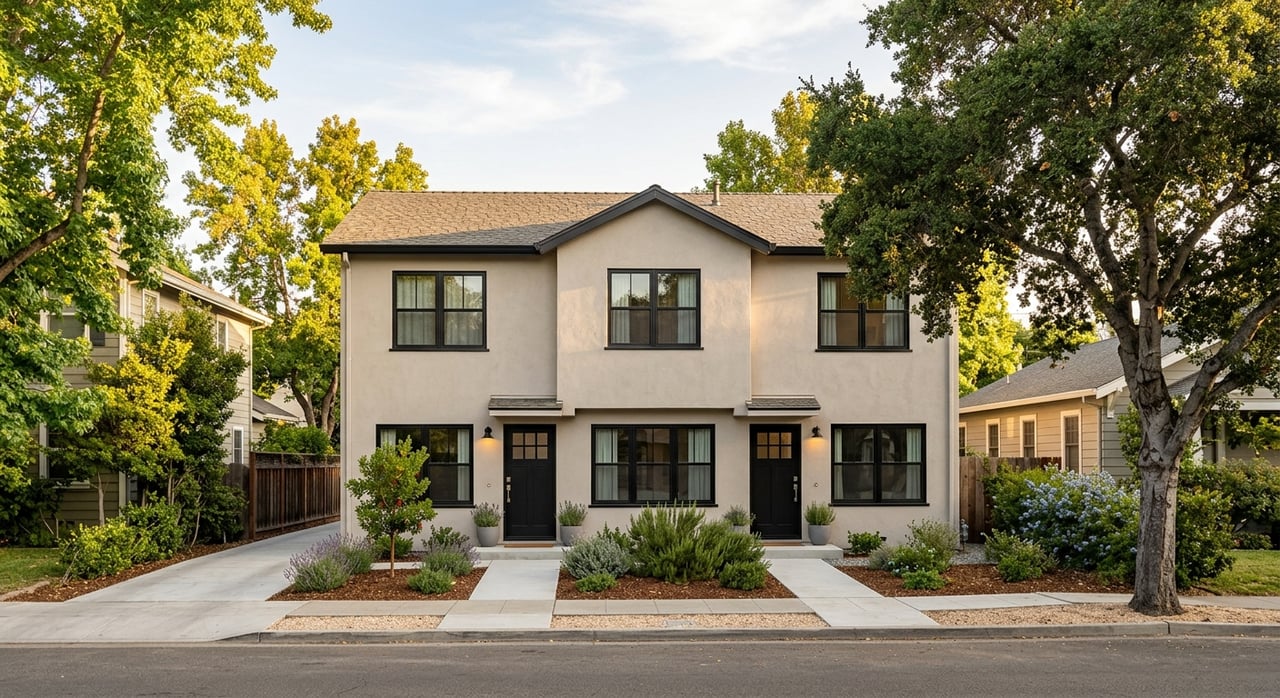
If you are eyeing an Oakland duplex or triplex, the numbers on the flyer only tell part of the story. In this market, a strong deal depends on more than purchase price and gross rent. You also need to understand local rent rules, submarket rent differences, taxes, and building costs before you can judge real upside. Let’s break down how to evaluate these properties with confidence.
Start With Oakland Rules
Before you compare cash flow, start with the legal framework. In Oakland, local rent control, local just-cause rules, and statewide tenant protections can shape both your near-term income and your long-term flexibility.
According to the City of Oakland Rent Adjustment Program, the allowable annual rent increase for RAP-covered units is 0.8% as of August 1, 2025. The city also notes that covered units must be registered in order to file or respond to petitions. That matters because annual rent growth may be far more limited than a first-time buyer or investor expects.
Oakland’s just-cause rules also affect how you should think about future turnover. The city states that the sale of a property or the expiration of a lease are not lawful just-cause reasons to terminate, and Measure Y removed the just-cause exemption for owner-occupied duplexes and triplexes. In plain English, you should not assume a purchase alone creates easy vacancy or immediate repositioning options.
State law matters too. The California Attorney General’s landlord-tenant overview explains that California’s Tenant Protection Act generally caps annual increases at 5% plus CPI, or 10%, whichever is lower. On turnover, an owner may generally set a new initial rent unless a stronger local rule applies. That makes turnover assumptions important, but only after you confirm how local Oakland rules interact with the property.
Confirm RAP Coverage First
One of the smartest first questions is simple: Is the duplex or triplex covered by Oakland RAP, or exempt? If you skip that step, the rest of your underwriting may be off from day one.
Coverage status affects how you project rent growth, how you evaluate tenant turnover, and how you compare a value-add plan against a more stable hold. It also affects the level of compliance work you may inherit after closing.
The city also treats rental property as a business. Per Oakland’s business tax guidance for landlords, owners who rent out property must register, renew a Business Tax Certificate, and pay business tax based on annual gross rental receipts. The landlord tax rate is $13.95 per $1,000 of gross rental income, and the city also collects an annual RAP fee through registration and renewal.
These are not optional line items to add later. They should be included in your operating budget before you decide whether the property truly cash flows.
Read Rents by ZIP, Not Citywide
A common mistake is using one Oakland rent average for every neighborhood. In reality, Oakland duplex and triplex opportunities can look very different depending on ZIP code and submarket.
HUD’s FY2026 Small Area Fair Market Rent schedule shows just how much 2-bedroom rent levels can vary across Oakland ZIPs. Several ZIPs, including 94601, 94602, 94603, 94605, 94606, and 94621, are listed at $2,420, while 94608 is $3,250, 94609 is $3,020, 94610 is $2,970, 94611 is $2,930, 94612 is $3,060, and 94618 is $3,430.
That spread is too large to ignore. If you are evaluating a duplex in one ZIP and comparing it to a triplex in another, citywide averages can hide the true income potential.
HUD uses Fair Market Rents as payment standards and ceilings in some programs, so these figures are best used as a reasonableness check, not as a direct replacement for rent comps. In practice, your best approach is to underwrite each unit from nearby comparable rentals in the same ZIP or submarket, then use HUD data as a reality check.
Sanity-Check Market Rent Assumptions
Market rent estimates should always be tested against more than one source. That does not mean averaging everything together. It means checking whether your comp-based numbers feel realistic in the current market.
As of April 2026, Zillow’s Oakland rental market data showed an average rent of $2,321 across all bedroom counts and property types. The research report also notes that Zumper showed a median of $2,195, including about $1,981 for a 1-bedroom and $2,600 for a 2-bedroom. Separately, HUD’s broader Oakland-Hayward-Berkeley market analysis put average asking rent at $2,424 in Q4 2024 in the region.
The takeaway is not that one source is right and another is wrong. It is that broad averages can help you spot an unrealistic pro forma, but they should not replace unit-level underwriting based on nearby comps.
Factor In Vacancy by Submarket
Not all Oakland leasing conditions are the same. Vacancy and lease-up risk can shift significantly depending on location and property type.
HUD’s Oakland-Hayward-Berkeley housing market analysis described the apartment market as slightly soft, with 6.8% vacancy in Q4 2024. Downtown Oakland was softer at 10.9% vacancy with $2,394 average asking rent, while older Class C apartments were tighter at 5.8% vacancy with $2,106 average asking rent.
That matters because your lease-up assumptions should reflect the actual submarket and building type. A duplex or triplex in a tighter, older-housing segment may perform differently than a small property competing in a softer pocket with more available inventory.
When you model a deal, it helps to ask: how long could a vacancy last here, and would you need concessions to fill it? Those answers can change your expected return more than a small difference in list price.
Underwrite Taxes the Right Way
Property taxes are another area where buyers can get tripped up. If you base your numbers on the seller’s current tax bill, you may understate your future ownership costs.
The Alameda County Assessor’s Proposition 13 overview explains that annual assessed value increases are generally limited to 2%, and locally assessed property tax is capped at 1% of taxable value plus voter-approved indebtedness, service fees, improvement bonds, and special assessments. For a buyer, the practical point is that taxes should be modeled from your purchase basis and expected local assessments, not the seller’s long-held basis.
The county also notes that supplemental assessments can create additional bills after a purchase or after new construction. So if a duplex or triplex looks affordable only because the tax line is based on an outdated owner basis, you may need to revisit the numbers.
Budget for Seismic and Deferred Work
Older small multifamily properties can carry hidden capital expenses. In Oakland, seismic work deserves special attention.
The city’s Mandatory Soft-Story Retrofit Program applies to certain residential buildings with large ground-floor openings, particularly pre-1991 structures with that vulnerability. Not every duplex or triplex will fall under the program, but the risk of retrofit work should be part of your diligence on older buildings.
Even if a property is not subject to soft-story requirements, deferred maintenance can still shift the whole investment story. Roofs, drainage, electrical systems, common area wear, and unit turnover costs can quickly turn a “cash-flowing” property into a capital-heavy project.
Build a Real Operating Budget
A reliable Oakland small-multifamily budget needs more than principal, interest, taxes, and insurance. Because rent growth may be limited and petition-based for covered units, reserve planning matters more.
Your operating budget should account for:
- Property taxes based on your likely post-closing basis
- Oakland business tax
- RAP fees
- Insurance
- Utilities, if owner-paid
- Routine maintenance
- Repair reserves
- Deferred capital expenditures
This is especially important if you are comparing a duplex with stable in-place tenants against a triplex with more vacancy or deferred work. The higher-unit property is not automatically the better opportunity if the operating burden and capex profile are materially worse.
Compare Duplex vs. Triplex Clearly
When you are deciding between a duplex and a triplex, use the same evaluation sequence every time. That keeps emotion from overpowering the analysis.
A practical framework looks like this:
- Verify the legal status and coverage rules
- Underwrite the actual current rent roll
- Compare each unit against nearby market comps
- Model realistic operating expenses and reserves
- Run both a steady-state case and a turnover case
This last step is especially important in Oakland. Since California generally allows a new initial rent on turnover unless a stronger local rule applies, the difference between current in-place cash flow and post-turnover cash flow can be a major source of value. But that upside should always be weighed against local RAP limits, petition requirements, compliance obligations, and any major repair needs.
Ask the Right Due Diligence Questions
Strong Oakland duplex and triplex opportunities usually look clear on paper because the hard questions were asked early. Before you move forward, make sure you can answer the basics with confidence.
Here are some of the most important questions:
- Is the property covered by Oakland RAP or exempt?
- Is the property properly registered?
- What rent is actually being collected today?
- What does the local ZIP or submarket support for similar units?
- Are there soft-story or other major repair issues?
- Will property taxes likely step up after closing?
- Does the deal make sense under both current tenancy and future turnover scenarios?
Those answers often reveal what type of opportunity you are really buying. A property may be a stable house-hack, a light stabilization play, or a much heavier value-add project than the listing suggests.
What Strong Oakland Deals Often Have
In Oakland, the most durable duplex and triplex opportunities tend to share a few traits. The legal status is clear, current rents are underwritten conservatively, and the building does not hide major retrofit or deferred-maintenance surprises.
That disciplined approach matters because local rent ceilings, vacancy conditions, and operating costs can vary sharply across the city. A good opportunity is rarely just the one with the highest projected rent. It is the one where the assumptions are realistic, the risks are visible, and the path forward matches your goals.
If you want help evaluating a Bay Area small multifamily opportunity, Linda Ngo brings a practical, data-driven approach to Oakland and East Bay purchases. Whether you are comparing a duplex to a triplex or trying to pressure-test a specific deal, you can get clear guidance before you commit.
FAQs
How do Oakland rent rules affect a duplex or triplex purchase?
- Oakland rent rules can affect annual rent growth, tenant turnover strategy, and compliance requirements, so you should confirm RAP coverage and registration before underwriting the deal.
How should you estimate rent for an Oakland duplex or triplex?
- You should use nearby comparable rentals in the same ZIP or submarket, then sanity-check those numbers against HUD and current market data rather than relying on one citywide average.
Why do Alameda County property taxes matter when buying Oakland multifamily property?
- Property taxes may increase based on your purchase price and local assessments, so using the seller’s old tax bill can understate your future ownership costs.
What operating costs should you include for an Oakland duplex or triplex?
- You should include property taxes, Oakland business tax, RAP fees, insurance, utilities, maintenance, reserves, and any deferred capital expenses in your operating budget.
Why is soft-story retrofit risk important for older Oakland small multifamily buildings?
- Some older residential buildings with large ground-floor openings may be subject to Oakland’s soft-story retrofit requirements, which can materially affect capital spending and deal returns.