What if your everyday backdrop was rows of vines, golden hills, and a downtown where dinner and a show are a quick stroll? If you’re weighing a move within the East Bay, you want lifestyle and logistics to line up. In this guide, you’ll learn how Livermore’s official wine country status shapes housing choices, weekends, and commutes, plus the practical checks that matter before you buy. Let’s dive in.
Why Livermore feels like wine country
Livermore isn’t just “near” wine country. It is wine country. The Livermore Valley is an American Viticultural Area, a formal appellation recognized since 1982, with roots that reach back to 19th‑century producers. Today, roughly 40 to 50-plus wineries operate across the valley, from boutique tasting rooms to historic estates. The Livermore Valley Wine Country association coordinates tastings, seasonal passports, and festivals, which shape the area’s weekend rhythm for visitors and residents alike.
That AVA designation does more than draw tourists. It supports a strong local identity you feel in everyday life. Vineyard views frame your morning run. Wine-club pick‑ups turn into easy midweek dates. And winery concerts add a casual, close‑to‑home entertainment option when you don’t want to cross the hills.
For context, Livermore’s 2020 population was 87,955, with a 2020–2024 estimated median household income of $160,775 and a mean work commute of 30.1 minutes. Those numbers, from U.S. Census QuickFacts, help explain why Livermore functions as both a high‑amenity destination and a practical home base in the Tri‑Valley.
How wine country shapes daily life
Wine country here feels woven into the week. You might grab produce at the downtown farmers market, hit a short trail loop near the vines, then meet friends at a tasting room patio. Cultural anchors like the Bankhead Theater and the Vine Cinema bring year‑round performances and film to First Street, so you can plan a show after dinner without a long drive.
Outdoor recreation close by
Living on the vineyard edge also means quick access to open space:
- Lake Del Valle at Del Valle Regional Park is about a 10‑minute drive from downtown. Boating, swim beaches, camping, and miles of trails make it a repeat‑use spot for families and fitness.
- Vasco Caves Regional Preserve offers guided tours to ancient sandstone formations and protected habitat. It adds a wildland counterpoint to easy in‑town walks.
- City trails and close‑in parks connect neighborhoods to nature, so after‑work hikes and weekend bike rides become an easy habit.
The result is a lifestyle that balances vineyard patios with paddling, hiking, or a quick hill climb on Mines Road. It is normal here to pair a trail morning with a tasting‑room afternoon.
Housing choices where vineyards matter most
Wine country influences where homes are built and what buyers pay for certain settings. Here’s the typical menu:
- Urban and downtown options. Small‑lot single‑family homes, townhomes, and some condos offer walkable access to First Street dining, events, and transit links. Great if you want a lively core and a quick coffee‑to‑theater night.
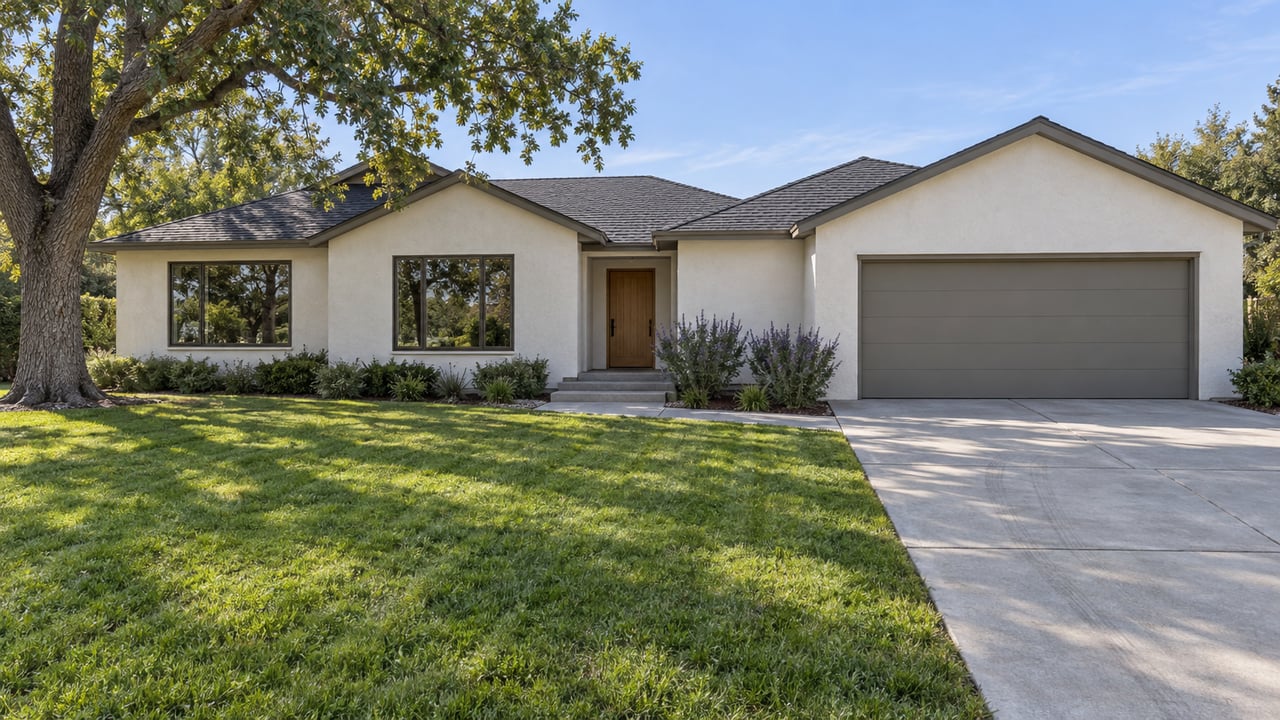
- Suburban neighborhoods. Across the valley floor, you’ll find mid‑century and newer single‑family homes with parks and everyday conveniences nearby. Many buyers choose these areas for balanced space and access.
- Vineyard‑edge estates and ranchettes. In South Livermore and the valley edges, larger parcels deliver rural views, equestrian setups, or small‑production opportunities. Scenic settings often carry a premium, and inventory is limited by policy tools designed to preserve agriculture and open space.
Local land‑use plans use easements, mitigation, and parcel‑size rules to keep prime vineyard lands intact. That tradeoff protects the valley’s agricultural character and narrows the supply of homes “in the vines.” If you want acreage or vineyard adjacency, expect fewer options and a more specialized search. For background on conservation and the valley’s working‑land identity, see this overview from Bay Nature.
Costs and market signals to watch
When you compare Livermore to other East Bay cities, it helps to look at two lenses:
- Long‑run housing wealth. The 2020–2024 ACS estimates show a median value of owner‑occupied housing at $1,105,600 in Livermore, per Census QuickFacts.
- Recent sale prices. Private‑market summaries placed citywide medians roughly in the $1.05M to $1.10M range in late 2025 to early 2026. Treat this as directional and verify the current figure when you’re ready to act.
Together, those numbers suggest a stable, high‑demand market where lifestyle amenities and limited vineyard‑edge supply support values over time.
Commutes and connections that shape decisions
Livermore sits along the I‑580 corridor, the main east‑west link into the rest of the East Bay. Many residents drive or pair bus service with BART. The mean travel time to work is 30.1 minutes, per Census QuickFacts, but real‑world times vary by route and time of day.
Your main options today:
- Bus to BART. LAVTA/Wheels connects Livermore to Dublin/Pleasanton BART. Popular lines like Route 14 make the bus‑to‑BART pattern workable for many weekday commuters.
- ACE commuter rail. The Altamont Corridor Express serves downtown Livermore and Vasco Road on limited, commuter‑focused schedules. See stop details at ACE’s stations page.
- Planned Valley Link rail. A new regional rail line is in active development to connect Dublin/Pleasanton BART to the San Joaquin Valley with proposed Tri‑Valley stations. Follow updates on the Valley Link project to understand how future service could shift commute patterns and submarket demand.
If you work in Oakland or Berkeley, you’ll weigh I‑580 traffic versus bus‑to‑BART timing. For South Bay jobs, ACE can be a fit if your schedule matches. Many buyers accept a slightly longer east‑of‑Dublin commute in exchange for space, views, and the wine‑country lifestyle.
Practical checks before you buy near the vines
Wine country living brings a few extra due‑diligence steps. Before you fall for a view lot, plan to:
- Confirm wildfire hazards. Hillside and rural‑fringe areas can sit in mapped Fire Hazard Severity Zones. Review local maps and defensible‑space rules from the fire authority’s FHSZ resource page. Budget for mitigation and insurance.
- Review seismic context. Livermore is near secondary faults in the Greenville and Marsh Creek zones. Standard Bay Area disclosures apply. Check USGS fault maps and consider engineering or retrofit needs for older homes. Start with this USGS fault report.
- Understand land‑use limits. Some vineyard‑edge parcels have conservation easements or agricultural restrictions. Ask your agent to confirm parcel‑level constraints so your plans align with what the land allows.
- Expect seasonal shifts. A Mediterranean climate supports the vines and an outdoor lifestyle, but reservoir levels, trail closures, and event calendars can change by season. Check conditions before planning water activities or big group outings.
Who thrives in Livermore wine country
You’ll enjoy Livermore if you want:
- Easy outdoor access. Quick drives to Del Valle, trail loops next to vineyards, and backcountry options like Vasco Caves.
- A social core. Dinner on First Street, a show at the Bankhead, or a concert at a winery without crossing the Caldecott.
- Space and scenery. Larger lots or view corridors that feel rural yet stay connected to the East Bay.
- Balanced commutes. Options to drive, bus‑to‑BART, or ride ACE, with future rail improvements on the horizon.
If you need walk‑to‑BART convenience every day, a downtown condo in another city may fit better. But if you want a small‑city core with true wine‑country edges, Livermore is hard to beat.
How to choose your Livermore “fit”
Use this quick shortlist when touring homes:
- Prioritize lifestyle anchors. Do you want vineyard adjacency, downtown walkability, or a larger suburban lot near parks? Rank these first.
- Test the commute. Drive and bus‑to‑BART your route at real times. Try an ACE day if it matches your schedule.
- Walk the weekends. Visit a market morning, a winery patio, and a nearby trail in one day to see how it feels to live here.
- Check parcel details early. For vineyard‑edge homes, review easements, septic or utility notes, and hazard maps before you fall in love with the view.
Ready to match your wish list with the right neighborhood and lot type? A guided search saves time and avoids false starts.
If you want a personal read on today’s pricing, inventory by subarea, and how vineyard proximity affects value, reach out. As a Bay Area agent focused on the East Bay, I can help you compare downtown, suburban, and vineyard‑edge options and set a strategy that fits your timeline.
Looking to sell? Linda’s high‑impact marketing and flexible seller programs make it easier to go to market, even if your home needs work. From a concierge Home Improvement program that fronts upgrade costs and is repaid at closing to an investor‑driven 48 Hour Offer for as‑is sales, you can choose the path that fits your goals and speed.
When you are ready to take the next step, connect with Linda Ngo for a local consultation.
FAQs
How does Livermore’s wine status affect daily life?
- The AVA designation and 40–50+ wineries mean regular tasting events, winery concerts, and a hospitality scene that blends with local routines, per the Livermore Valley Wine Country association.
What are typical Livermore home values today?
- The 2020–2024 ACS median value of owner‑occupied housing is $1,105,600, per Census QuickFacts; recent private summaries placed sale medians near $1.05M–$1.10M in late 2025–early 2026.
Can I live next to vineyards and what should I know?
- Yes, but expect limited inventory, potential conservation easements, and parcel‑specific rules; scenic lots often command a premium, as discussed in Bay Nature’s overview.
What are my commute options from Livermore?
- Drive I‑580, bus to Dublin/Pleasanton BART with services like Route 14, ride ACE from Livermore or Vasco Road per ACE’s stops, and track the planned Valley Link rail.
What hazards should I check before buying near the hills?
- Review wildfire maps and defensible‑space rules via the fire authority’s FHSZ page and consult USGS fault data for seismic context; plan for insurance and mitigation as needed.