Are you weighing a classic Walnut Creek house against a low‑maintenance townhome? You are not alone. The right choice comes down to how you want to live, what you want to maintain, and the total monthly cost that fits your budget. In this guide, you will see local context, clear cost drivers, financing checks, and a simple decision framework to help you move forward with confidence. Let’s dive in.
Walnut Creek market at a glance
Recent snapshots show Walnut Creek as a competitive East Bay market with upper‑tier pricing. Redfin reports a median sale price of $866,000 for all home types as of February 2026, while Zillow shows an estimated median around $893,333 as of December 31, 2025. Different sites use different windows and metrics, so focus on the range and the data date when you compare.
Attached inventory in Walnut Creek tends to cluster near downtown and the Northgate and Heather Farms corridors. Townhomes here often trade at a lower entry price than many single‑family homes of similar size, but HOA dues add to the monthly cost. In Walnut Creek, dues commonly range from the low hundreds per month to more than $1,000 per month depending on amenities and services.
House vs. townhome ownership
Single‑family house basics
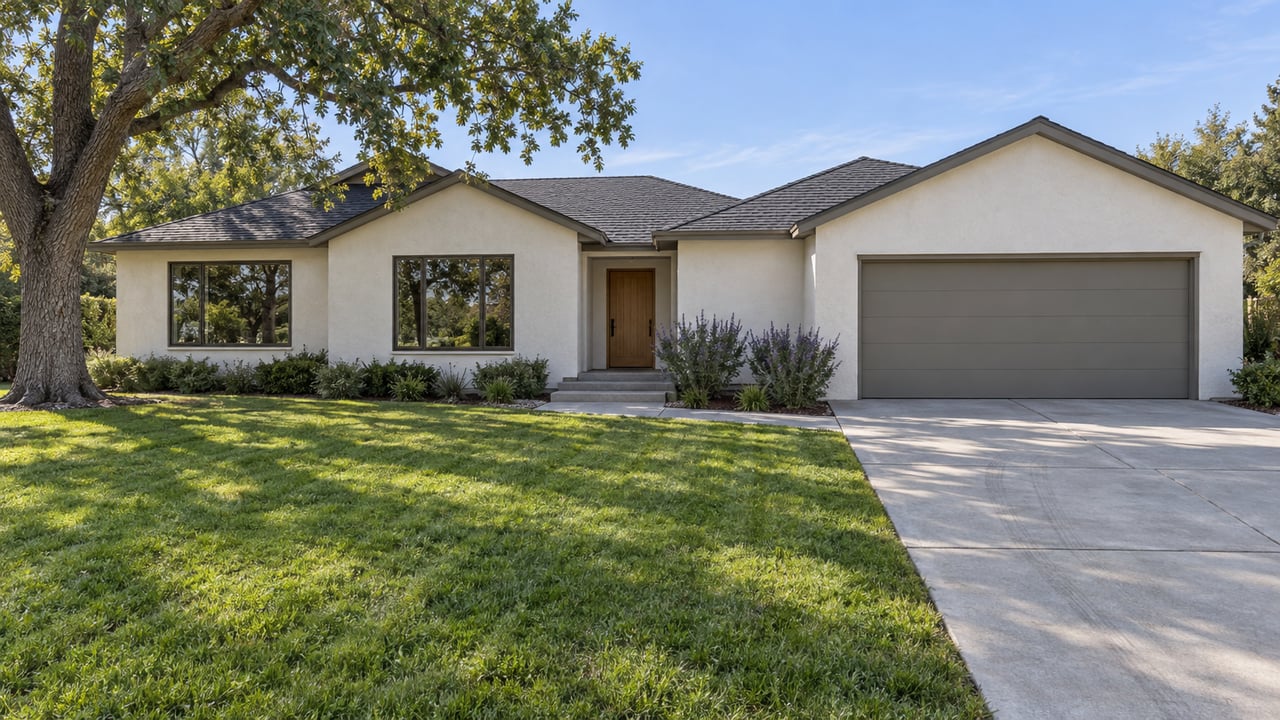
A typical house gives you fee‑simple ownership of the home and the land. You control exterior changes, landscaping, paint, and improvements within local permitting rules. You also assume full responsibility for exterior maintenance, the roof, driveway, and yard.
Townhome ownership in California
Townhomes can be fee‑simple with shared walls or part of a condominium common‑interest development governed by an HOA. In California, most attached projects follow the Davis‑Stirling Common Interest Development Act, which sets baseline HOA rules and member rights. Buyers in a common‑interest development receive a statutory resale packet that includes CC&Rs, bylaws, rules, budgets, financials, reserve information, insurance details, and assessment statements. Learn more about the law under the Davis‑Stirling Act.
What HOAs usually cover
HOAs often manage common‑area landscaping, building exteriors, roofs, and shared amenities like pools or elevators. Some cover water, trash, and exterior insurance through the master policy. Owners are usually responsible for interior finishes, personal property, and systems inside the unit. Always confirm the exact division of responsibility in the CC&Rs and the insurance certificate.
Ongoing costs to compare
Maintenance budget
Maintenance costs differ by property type. A national index from Thumbtack estimates annual maintenance around $6,600 for a single‑family home, about $2,284 for a townhome, and roughly $774 for a condo as of Q4 2023, with Bay Area costs often running higher. See the Thumbtack Home Care Price Index for context. A common rule of thumb is to budget 1 to 2 percent of the home’s value per year for routine upkeep, with a higher percentage for older properties, as noted by AmeriSave.
HOA dues
Walnut Creek HOA dues typically range from the low hundreds to over $1,000 per month depending on age of the community, amenities, and included utilities or services. Ask for a current schedule of inclusions so you know if dues cover exterior maintenance, roof reserves, water, trash, common‑area insurance, security, or on‑site staff. The more services and amenities included, the higher the dues tend to be.
Insurance needs
House owners usually carry an HO‑3 policy that insures the dwelling, other structures, personal property, liability, and loss of use. Townhome and condo owners typically buy an HO‑6 policy that covers interior finishes, personal property, liability, and often a loss‑assessment rider for an owner’s share of an HOA deductible or special assessment. See HO‑3 vs. HO‑6 basics in this condo coverage overview.
Standard home and condo policies do not include earthquake or flood. In California, many owners purchase earthquake coverage through the California Earthquake Authority or private markets. Pricing and deductibles vary by structure and location, so evaluate this cost early; here is a California earthquake insurance primer.
Financing and resale
Condo and townhome lending checks
Lenders review condo and many townhome projects at the association level. Common checks include owner‑occupancy percentage, HOA delinquency rates, reserve levels, insurance, commercial space, single‑entity ownership concentration, and pending litigation. If a project fails certain standards, it may be labeled non‑warrantable, which can affect your loan options.
FHA may allow single‑unit approvals in some cases, which can help first‑time buyers when a project is not already FHA‑approved. Approval depends on occupancy, delinquency, insurance, and reserves, and timelines apply. Read more about FHA condo approvals and single‑unit pathways.
Resale and demand
Single‑family homes often appeal to buyers who want private outdoor space, more control over improvements, and potential for additions or an ADU, subject to local permitting. Townhomes draw buyers who value low exterior maintenance and proximity to transit and downtown services. In Walnut Creek, both property types can be competitive; however, HOA financial or legal issues can narrow future buyer pools in attached communities.
Lifestyle and location tradeoffs
Choose a single‑family house if you want private yard space, control over exterior choices, and long‑term flexibility for renovations. You should be comfortable setting aside funds for big‑ticket items like roof replacement.
Choose a townhome if you prefer low exterior upkeep, a lock‑and‑leave lifestyle, and easy access to downtown dining, parks, and BART. Downsizers and busy commuters often find the predictability of HOA‑handled exteriors appealing.
Walnut Creek nuance: Downtown and transit‑oriented areas tend to offer more attached options, while suburban pockets offer larger lots and more single‑family homes. Your decision often comes down to location and yard versus square footage and convenience.
A simple decision framework
- List must‑have features: yard or patio, private garage, guest parking, low maintenance, walkability to BART and dining, and amenities.
- Budget your total monthly cost: mortgage, property taxes, insurance, HOA dues, and a maintenance reserve of 1 to 2 percent annually spread across the year.
- Ask targeted HOA questions during showings and escrow to avoid surprises.
What to ask and review
Key questions for the seller or HOA
- What exactly do the HOA dues cover, and what is excluded?
- Are there any pending or recent special assessments? Why and how much?
- What is the current reserve balance and date of the latest reserve study?
- What percentage of owners are 30, 60, or 90 days delinquent on dues?
- Is the project FHA or VA approved, or will the lender support a single‑unit approval?
- What are the rental and short‑term rental rules, and are there caps?
- What does the master insurance policy cover, and where do “bare walls” end?
Documents to request in escrow
- CC&Rs, bylaws, and operating rules
- Current budget, most recent year‑end financials, and the reserve study or reserve summary
- Board meeting minutes for the last 6 to 12 months
- Master insurance declarations and any fidelity bond
- Owner‑occupancy roster summary and any litigation disclosures
- Statement of assessments and any liens or unpaid balances
Red flags to escalate
- Low reserves, recent or large special assessments, or more than roughly 15 percent delinquency on dues
- Ongoing structural litigation or significant insurance gaps
- Unclear maintenance responsibility between the HOA and unit owner
Next steps
Tour a few examples of each property type to ground the tradeoffs in real homes. Then run a side‑by‑side monthly comparison that includes mortgage, taxes, insurance, HOA dues, and a realistic maintenance reserve. With the right plan, you will quickly see which path fits your lifestyle and budget.
If you want a clear, data‑driven strategy and expert guidance on HOA documents, financing pathways, and neighborhood tradeoffs, connect with Linda Ngo for a friendly consult tailored to your goals.
FAQs
What are the biggest cost differences between a Walnut Creek house and a townhome?
- Houses shift more exterior maintenance to you, while townhomes add HOA dues but often lower your out‑of‑pocket upkeep; compare mortgage, taxes, insurance, HOA, and a maintenance reserve side by side.
How do HOA rules affect what I can change in a townhome?
- CC&Rs and rules typically control exteriors and common areas, so review the resale packet to see what renovations, colors, or fixtures are allowed and what approvals you need.
Can I use an FHA loan to buy a Walnut Creek townhome or condo?
- Possibly; the project may need FHA approval, or you may qualify via FHA’s single‑unit approval pathway if occupancy, delinquency, reserves, and insurance metrics meet standards.
Do I need earthquake insurance for a Walnut Creek home or townhome?
- Standard home and condo policies exclude earthquakes, so many California owners add separate coverage through the CEA or private markets after comparing deductibles and premiums.
What HOA financial red flags should I watch for?
- Low reserves, frequent or large special assessments, high dues delinquencies, major litigation, or unclear insurance coverage can all affect lending, resale, and your future costs.
Are townhomes in Walnut Creek harder to resell than houses?
- Both can be competitive, but townhome resale depends on the project’s financial health, rules, and amenities, while single‑family buyers often focus on lot size, flexibility, and privacy.